Severe arterial bleeding is a critical emergency that requires fast and calm action. Bright red blood that spurts rapidly from a wound may indicate an artery injury. Quick first aid steps can help reduce blood loss, protect the injured person, and improve the chances of recovery until professional medical help arrives.
Stay Calm and Assess the Situation
The first few moments are extremely important. Staying focused helps you respond more effectively.
- Check the surroundings for safety
- Move the injured person away from danger if possible
- Look for signs of heavy blood flow
- Ask the injured person to remain still
- Call emergency medical services immediately
- Use a calm voice to reduce panic
A clear and steady approach allows better decision-making during stressful situations.
Apply Direct Pressure Immediately
Direct pressure is one of the fastest ways to slow severe bleeding.
- Use a clean cloth, dressing, or fabric
- Press firmly over the wound
- Maintain constant pressure without lifting frequently
- Use both hands if necessary for stronger pressure
- Continue pressing until help arrives
If blood soaks through the material, arterial bleed place another layer on top instead of removing the first one. Continuous pressure encourages clotting and helps control blood flow.
Elevate the Injured Area Carefully
When appropriate, gently raise the injured limb above heart level.
- Support the arm or leg carefully
- Avoid sudden movement
- Keep the person comfortable
- Stop elevation if it causes pain
Elevation may help reduce blood flow to the wound and improve bleeding control when combined with direct pressure.
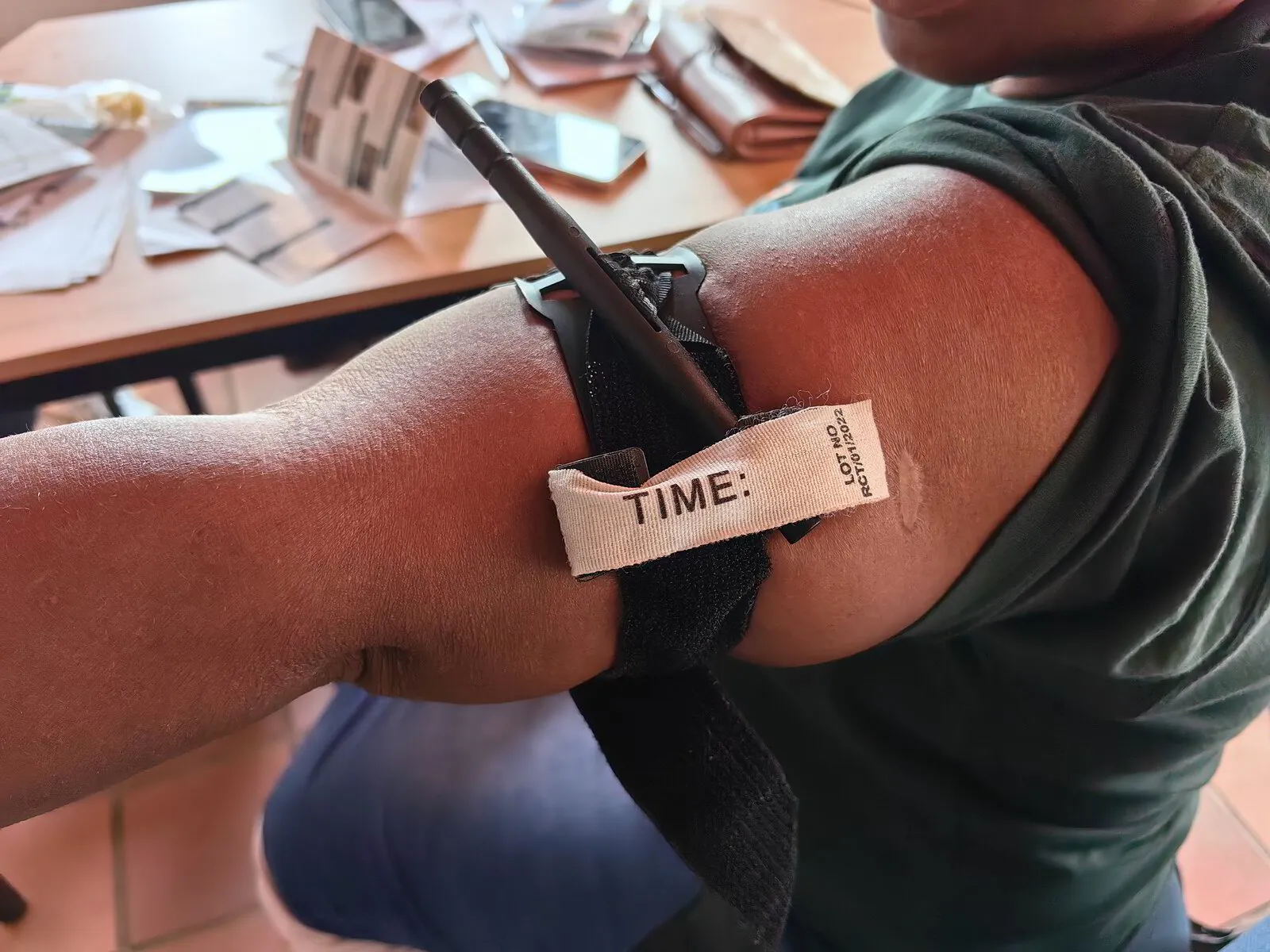
Use a Tourniquet Correctly
A tourniquet can be lifesaving during severe arterial bleeding from arms or legs when pressure alone is not enough.
- Place it above the injury site
- Tighten until bleeding slows significantly
- Secure it firmly so it does not loosen
- Note the time it was applied
- Avoid removing it unless instructed by medical professionals
Proper use can help preserve life during serious emergencies involving rapid blood loss.
Watch For Signs of Shock
Heavy bleeding may lead to shock, which requires immediate attention.
Common warning signs include:
- Pale or cool skin
- Weakness or dizziness
- Rapid breathing
- Confusion
- Fainting
- Restlessness
Help the injured person stay warm and relaxed while waiting for emergency care. Reassurance and comfort can make a positive difference.
Keep the Airway Clear
Monitoring breathing is another essential step.
- Check if the person is breathing normally
- Loosen tight clothing around the neck
- Position them carefully if vomiting occurs
- Avoid giving food or drinks
A clear airway supports better oxygen flow and overall stability.
Helpful Emergency Preparedness Tips
Being prepared can improve response time during emergencies.
- Learn basic first aid skills
- Keep clean bandages available
- Wear protective gloves when possible
- Practice emergency response plans
- Stay aware of your surroundings
- Encourage safety education at home and work
Preparation builds confidence and helps people respond more effectively under pressure.
Handling severe arterial bleeding quickly and carefully can save lives. Applying direct pressure, using a tourniquet correctly, monitors for shock, and staying calm are all smart ways to manage a serious emergency. Simple first aid knowledge combined with fast action can provide critical support until trained medical professionals take over.
Be the first to reply