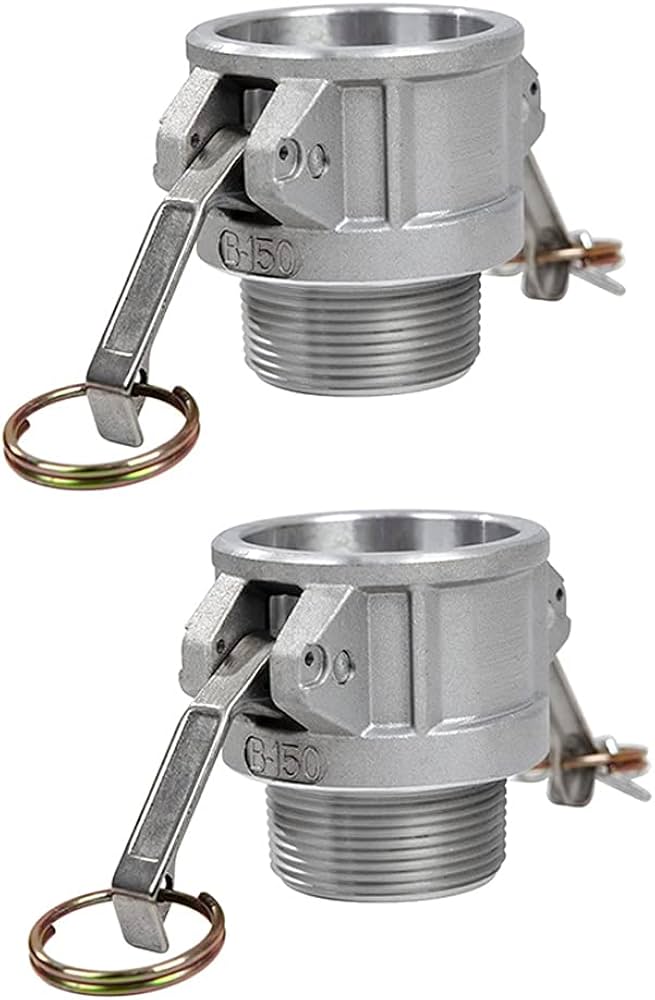
Discover cam lock solutions offering quick assembly and strong hold

Cam lock solutions are widely recognized for delivering efficient fastening performance in furniture and cabinet assembly. These innovative connectors are designed to simplify installation while ensuring a firm and stable joint between panels. With their smart engineering, cam lock systems reduce assembly time and improve structural integrity, making them a preferred choice in modern furniture manufacturing and DIY projects. Their ability to combine speed and strength enhances productivity while maintaining a clean and professional finish across various applications.

Efficient Design for Faster Assembly

Cam lock systems are engineered to support quick and hassle-free assembly processes, allowing users to connect components with minimal effort. The mechanism typically involves a simple rotation action that locks panels securely into place, eliminating the need for complex tools or time-consuming procedures. This efficient design helps reduce production time and enhances overall workflow in both small-scale and large-scale furniture production environments. It also minimizes errors during installation, ensuring consistent and accurate alignment of parts. Hardware catalogs often define what is a camlock for product users.

  • Tool-free or minimal-tool installation
  • Fast locking mechanism with simple rotation
  • Reduced assembly time and labor effort
  • Improved accuracy in panel alignment

Strong Hold for Reliable Performance

Cam Lock Systems

Cam lock solutions provide a dependable locking force that keeps furniture panels firmly joined even under repeated use. The secure fastening mechanism distributes pressure evenly, reducing the risk of loosening over time. This makes it ideal for structures that require long-term stability and durability. Whether used in cabinets, wardrobes, or modular units, cam lock systems ensure that assembled components remain tightly connected while maintaining structural balance. Their reliable grip contributes to improved safety and long-lasting performance in various applications.

  • Even pressure distribution for stronger joints
  • Long-term stability under regular use
  • Secure fastening for heavy-duty applications
  • Enhanced structural balance and safety

Versatile Applications Across Furniture and Cabinets

Cam lock technology is widely used across different furniture designs due to its adaptability and ease of integration. It supports flat-pack furniture, modular storage systems, and customized cabinetry with equal efficiency. The system allows manufacturers and users to achieve precise assembly without compromising on strength or appearance. Its versatility makes it suitable for both residential and commercial interiors, offering a streamlined solution for various assembly needs. By simplifying installation while maintaining robust performance, cam lock solutions continue to enhance modern furniture engineering standards.

  • Suitable for flat-pack and modular furniture
  • Ideal for residential and commercial interiors
  • Supports customized cabinet designs
  • Easy integration into various materials

Conclusion: Smarter Assembly with Cam Lock Solutions

Cam lock solutions continue to transform the way furniture and cabinet assembly is approached by offering a perfect balance of speed, strength, and simplicity. Their innovative mechanism supports efficient installation processes while maintaining dependable structural integrity over time. By reducing the need for specialized tools and minimizing assembly complexity, these solutions empower manufacturers, installers, and DIY users to achieve professional-quality results with ease. The consistent locking performance ensures that furniture remains stable and secure, even under frequent use. With growing demand for efficient assembly systems, cam lock solutions stand out as a practical and reliable choice for modern applications. Their ability to combine convenience with durability makes them an essential component in achieving streamlined production and long-lasting furniture performance across diverse environments. Overall, they provide a future-ready fastening approach that supports efficiency, quality, and long-term reliability in every assembly process. This makes them highly valuable in both small and large scale production environments.

Beginner Friendly Tutorial on Testing an Electrical Relay

Electrical relays are essential switching components used in many electrical systems to control high current circuits using a low power signal. For beginners, learning how to test a relay is a valuable skill that helps in diagnosing faults and ensuring smooth operation of devices. This tutorial provides a simple, beginner friendly approach to testing a relay using basic tools and easy steps. By following these instructions, anyone can understand whether a relay is functioning properly or needs replacement, improving confidence in handling electrical troubleshooting tasks safely and effectively.

Understanding Electrical Relay

An electrical relay is an electromechanical switch that opens or closes circuits when it receives a small electrical signal. It consists of a coil, armature, and contact points. When energized, the coil creates a magnetic field that moves the armature, allowing current to flow through different terminals. Understanding this basic working principle is important before starting any testing process, as it helps identify whether issues are related to the coil or the contact mechanism.

Essential Tools for Testing

Before starting the testing process, gather a few basic tools that make the procedure easier and more accurate:

  • A multimeter for checking continuity and resistance.
  • A small power source for safe activation of the relay.
  • Insulated wires to ensure secure connections during testing.
  • A clean workspace to maintain safety and accuracy.

Step-by-Step Relay Testing Process

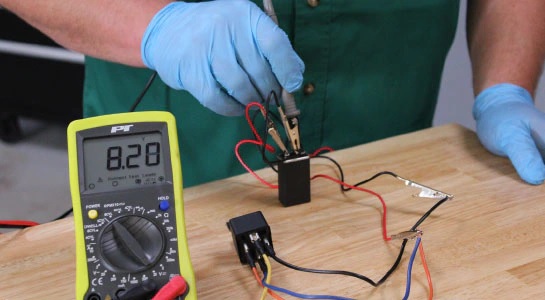
Testing a relay involves a few simple steps that help determine whether it is working correctly. Start by identifying the coil terminals and using a multimeter to check resistance across them. A healthy relay typically shows a specific resistance range, indicating coil continuity. Next, apply a low voltage to the coil to activate it and listen for a clicking sound, which confirms mechanical movement. Finally, test the switch terminals to ensure proper opening and closing of contacts when energized. Accurate how to check a relay methods ensure proper functioning.

Common Issues and Quick Fixes

Relays may develop issues over time, such as weak coil resistance, burnt contacts, or mechanical sticking. Identifying these problems early helps maintain system reliability. If a relay fails to click, it may indicate a faulty coil or insufficient power supply. Cleaning contact points or replacing damaged connections can often restore proper functionality.

Safety Tips for Beginners

Always ensure the power supply is turned off before handling any electrical components. Use insulated tools to prevent accidental shocks. Avoid touching live terminals and always work in a dry environment. Safety should be the top priority during any testing procedure.

Practical Tips for Accurate Testing

To achieve more reliable results, ensure all connections are secure and the relay is tested on a stable surface. Repeat measurements more than once to confirm consistency. Keeping the relay clean and free from dust improves accuracy and extends its usability during testing.

Conclusion

Testing an electrical relay is a simple yet essential skill for beginners interested in electrical troubleshooting. With the right tools and a clear step-by-step approach, anyone can confidently diagnose relay performance and ensure reliable operation of electrical systems.