Electrical relays are essential switching components used in many electrical systems to control high current circuits using a low power signal. For beginners, learning how to test a relay is a valuable skill that helps in diagnosing faults and ensuring smooth operation of devices. This tutorial provides a simple, beginner friendly approach to testing a relay using basic tools and easy steps. By following these instructions, anyone can understand whether a relay is functioning properly or needs replacement, improving confidence in handling electrical troubleshooting tasks safely and effectively.
Understanding Electrical Relay
An electrical relay is an electromechanical switch that opens or closes circuits when it receives a small electrical signal. It consists of a coil, armature, and contact points. When energized, the coil creates a magnetic field that moves the armature, allowing current to flow through different terminals. Understanding this basic working principle is important before starting any testing process, as it helps identify whether issues are related to the coil or the contact mechanism.
Essential Tools for Testing
Before starting the testing process, gather a few basic tools that make the procedure easier and more accurate:
- A multimeter for checking continuity and resistance.
- A small power source for safe activation of the relay.
- Insulated wires to ensure secure connections during testing.
- A clean workspace to maintain safety and accuracy.
Step-by-Step Relay Testing Process
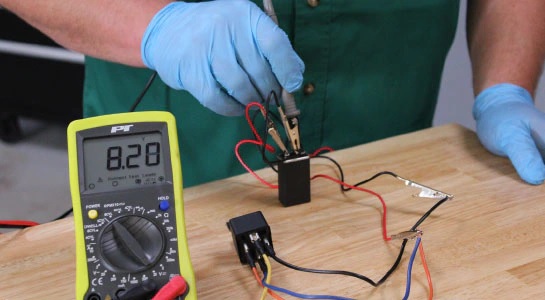
Testing a relay involves a few simple steps that help determine whether it is working correctly. Start by identifying the coil terminals and using a multimeter to check resistance across them. A healthy relay typically shows a specific resistance range, indicating coil continuity. Next, apply a low voltage to the coil to activate it and listen for a clicking sound, which confirms mechanical movement. Finally, test the switch terminals to ensure proper opening and closing of contacts when energized. Accurate how to check a relay methods ensure proper functioning.
Common Issues and Quick Fixes
Relays may develop issues over time, such as weak coil resistance, burnt contacts, or mechanical sticking. Identifying these problems early helps maintain system reliability. If a relay fails to click, it may indicate a faulty coil or insufficient power supply. Cleaning contact points or replacing damaged connections can often restore proper functionality.
Safety Tips for Beginners
Always ensure the power supply is turned off before handling any electrical components. Use insulated tools to prevent accidental shocks. Avoid touching live terminals and always work in a dry environment. Safety should be the top priority during any testing procedure.
Practical Tips for Accurate Testing
To achieve more reliable results, ensure all connections are secure and the relay is tested on a stable surface. Repeat measurements more than once to confirm consistency. Keeping the relay clean and free from dust improves accuracy and extends its usability during testing.
Conclusion
Testing an electrical relay is a simple yet essential skill for beginners interested in electrical troubleshooting. With the right tools and a clear step-by-step approach, anyone can confidently diagnose relay performance and ensure reliable operation of electrical systems.