Nicotine pouches come in different packaging styles and formats designed to organize individual portions and communicate essential product information. Understanding these differences helps adults recognize how container design, pouch size, labeling, and storage instructions contribute to product presentation. When examining products associated with Germany, consumers can also learn how packaging details support identification, safe handling, and informed awareness. Clear labels and practical designs make it easier to understand the characteristics of different formats.
Understanding Common Packaging Styles
Packaging serves several purposes, including protecting the contents, keeping portions organized, and displaying important details. Different container designs offer distinct practical features.
- Round containers: Compact tubs keep individual pouches together and provide a reusable outer container where appropriate.
- Resealable lids: Secure closures help reduce spills and limit exposure to surrounding air.
- Portable formats: Lightweight packaging is designed for convenient storage and organized transportation.
- Protective materials: Suitable packaging helps shield contents from dust and unwanted environmental exposure.
- Clear labels: Readable information makes ingredients, nicotine strength, expiry dates, and handling instructions easier to identify.
Products associated with Germany may feature different labeling layouts depending on their intended market and applicable requirements.
Exploring Nicotine Pouch Formats
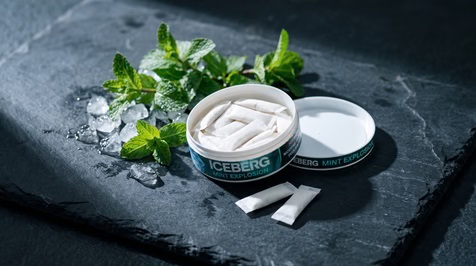
Pouch formats can differ in size, moisture level, texture, and material. These characteristics influence how the product is presented and how its instructions should be interpreted.
- Slim pouches: Narrow designs occupy less space within a container and offer a distinctive format.
- Mini pouches: Smaller portions create a compact alternative in terms of physical dimensions.
- Standard pouches: Conventional shapes provide a familiar format for comparing product specifications.
- Moist formats: Moisture content affects texture and storage requirements, making label guidance important.
- Dry formats: Lower moisture levels create different physical characteristics and may influence recommended storage conditions.
When reviewing products available in Germany, adults should compare the stated specifications rather than relying on appearance alone.
Recognizing Flavor and Label Differences
Packaging may also communicate flavor descriptions, ingredients, and other product characteristics. Consistent labeling helps readers distinguish between varieties without confusing presentation with verified product information.
Important details to review include:
- Flavor descriptions: Labels may identify mint, citrus, berry, or other flavor categories.
- Ingredient information: Reviewing listed ingredients helps clarify the product’s composition.
- Nicotine content: Check the amount stated per pouch or per gram, noting the measurement used.
- Expiry information: Date markings help identify the recommended period for use.
- Storage instructions: Follow the stated temperature and handling guidance to maintain product condition.
For those researching options connected with Germany, terms such as Garant flavor may appear in product-related searches, making accurate identification and careful label reading especially important.
Responsible Packaging and Storage Practices
Thoughtful packaging evaluation encourages organized handling and better awareness of product details. Germany-related product information should always be checked against applicable regulations and current labeling requirements.
- Keep containers closed according to the manufacturer’s instructions.
- Store products securely away from children and pets.
- Avoid products with damaged seals or illegible labels.
- Retain packaging for ingredient and safety references.
- Dispose of unwanted contents responsibly according to local guidance.
Nicotine is addictive, and nicotine pouches carry health risks. Understanding formats, packaging, and labeling supports informed awareness without overlooking these risks.