Understanding market behavior depends heavily on the ability to interpret volatility in a clear and structured way. When price movements shift rapidly, having simplified insights can support more confident and timely decision-making. Tools designed to present volatility information in an organized format help users focus on meaningful analysis rather than complex data interpretation. The Edge extension supports this approach by making volatility insights easier to access, understand, and apply during decision processes.
Clear Volatility Data Improves Understanding
Volatility data becomes more useful when it is presented in a simplified and structured manner. Clear insights help users recognize patterns and market behavior more effectively.
- Simplified volatility indicators
- Easy-to-read data structures
- Clear trend representation
- Reduced analytical confusion
- Improved interpretation of movement patterns
These elements help transform complex data into practical understanding.
Better Decision-Making Through Structured Insights
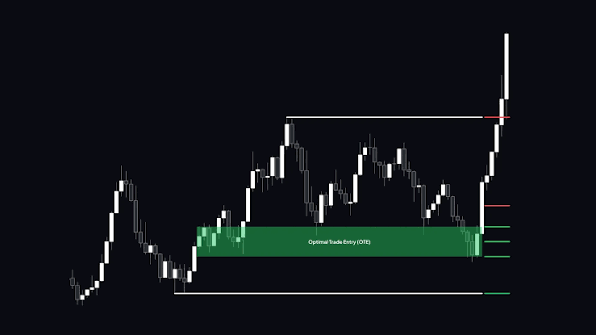
Decision-making improves when information is organized and easy to analyze. Structured volatility insights allow users to evaluate situations with greater clarity.
- Organized market signals
- Clear directional indicators
- Improved comparison of conditions
- Faster interpretation of data
- Enhanced decision confidence
Structured insights help support more accurate and timely choices.
Real-Time Observation Enhances Responsiveness
Monitoring volatility in real time allows users to respond more effectively to changing conditions. Immediate insights help maintain awareness of ongoing shifts.
- Continuous data updates
- Immediate reflection of changes
- Quick response capability
- Improved situational awareness
- Timely decision support
Real-time observation ensures users remain informed at every stage.
Simplified Visuals Support Clarity
Visual representation plays a key role in making volatility easier to understand. Graphical formats help convert numerical data into clear insights.
- Easy-to-read visual indicators
- Clear graphical trends
- Simplified pattern recognition
- Structured visual summaries
- Improved analytical clarity
Visual tools enhance overall understanding of volatility behavior.
Consistent Analysis Builds Confidence
Consistency in volatility analysis helps users develop trust in the information they rely on. Reliable insights contribute to stronger decision-making.
- Stable analytical output
- Consistent data interpretation
- Reduced uncertainty in evaluation
- Improved reliability of insights
- Stronger decision assurance
Consistency ensures more dependable analysis over time.
Adaptive Insights Support Different Scenarios
Market conditions can change quickly, making adaptability an important feature in volatility analysis tools. Flexible insights help users adjust their understanding based on evolving conditions.
- Multi-scenario evaluation support
- Adaptive interpretation methods
- Flexible analysis structure
- Broader insight coverage
- Improved analytical versatility
Adaptability ensures better handling of different situations.
Enhanced Awareness Leads To Smarter Decisions
Awareness of volatility patterns helps users make more informed and strategic decisions. Clear insights allow better understanding of potential movement and behavior.
- Improved market awareness
- Better recognition of trends
- Enhanced predictive understanding
- Stronger analytical perspective
- More informed decision outcomes
Awareness strengthens overall decision-making quality.
Reliable Volatility Insights For Better Outcomes
Modern volatility insight tools play an important role in simplifying complex data and improving decision-making processes. By offering clear visuals, structured analysis, and real-time updates, they help users better understand market behavior and respond effectively. These tools reduce confusion and provide consistent clarity, allowing users to focus on meaningful evaluation rather than complicated interpretation. With improved understanding and stronger analytical support, users can make more confident and informed decisions, ensuring better outcomes in dynamic conditions while maintaining a clear and structured approach to volatility analysis.