Challenges in Accent Recognition

Accent recognition plays an important role in modern speech-processing systems. It helps improve communication by enabling technology to better understand the way people speak. Since pronunciation, intonation, and speech patterns vary among individuals, recognizing accents accurately can be a complex task. Despite these challenges, ongoing advancements continue to create more effective and inclusive solutions.

Understanding Accent Diversity

Every speaker has unique speech characteristics shaped by language exposure, learning experiences, and communication habits. This diversity enriches spoken communication but also creates challenges for recognition systems.

Key factors influencing accent variation include:

  • Pronunciation differences
  • Speech rhythm and pacing
  • Intonation patterns
  • Vowel and consonant usage
  • Word stress variations
  • Personal speaking habits

These variations require systems to process a wide range of speech patterns while maintaining accuracy.

Variations in Pronunciation

Translator Ear Buds

One of the biggest challenges in accent recognition is the difference in pronunciation among speakers. The same word may sound different depending on how it is spoken.

Common pronunciation-related challenges include:

  • Changes in vowel sounds
  • Differences in consonant articulation
  • Unique syllable emphasis
  • Variations in speech clarity
  • Blending or shortening of sounds

Recognizing these differences accurately requires advanced analysis of speech characteristics.

Limited Representation in Training Data

High-quality accent recognition depends best translation earbuds 2026 on exposure to diverse speech samples. When speech data lacks sufficient variety, recognition performance may be reduced for some speakers.

Challenges related to data representation include:

  • Insufficient accent diversity
  • Limited speaking styles
  • Imbalanced speech samples
  • Variations in recording quality
  • Differences in age and voice characteristics

Expanding speech diversity helps create more balanced and effective recognition systems.

Influence of Speaking Conditions

Speech can change depending on the environment and communication context. These changes can affect accent recognition performance.

Factors that may influence recognition include:

  • Background noise
  • Speaking speed
  • Emotional expression
  • Microphone quality
  • Voice volume
  • Natural pauses and hesitations

Developing systems that adapt to varying conditions remains an important goal.

Similarities between Accents

Some accents share closely related speech patterns, making them difficult to distinguish. Small differences in pronunciation or rhythm may not always be easy to identify.

Challenges in distinguishing similar accents include:

  • Overlapping speech features
  • Shared pronunciation patterns
  • Similar intonation structures
  • Minor acoustic differences
  • Individual speaker variation

Improved speech analysis techniques help increase recognition precision in such cases.

Advancements Creating Positive Outcomes

Although accent recognition presents several challenges, continuous innovation is driving significant improvements. Modern approaches focus on inclusivity, adaptability, and broader speech understanding.

Positive developments include:

  • Enhanced speech pattern analysis
  • Better handling of pronunciation diversity
  • Improved adaptability to different speaking styles
  • Greater recognition accuracy
  • More inclusive speech-processing capabilities
  • Stronger support for diverse users

Conclusion

Accent recognition is a fascinating field that combines linguistic diversity with technological innovation. Challenges such as pronunciation differences, limited data representation, varying speaking conditions, and similarities between accents require careful attention. However, ongoing advancements continue to improve performance and inclusivity. As recognition methods evolve, they are becoming increasingly capable of understanding a wider range of speech patterns, creating more accessible and effective communication experiences for everyone.

Strategic Lawyer Creates Tailored Solutions For Unique Client Needs

Every legal matter presents its own challenges, goals, and circumstances. Because no two cases are exactly alike, effective legal representation requires a personalized approach. A strategic lawyer understands the importance of developing tailored solutions that align with each client’s specific needs. Through careful planning, legal knowledge, and client-focused service, lawyers help individuals and businesses achieve positive outcomes while protecting their interests.

Understanding the Client’s Unique Situation

The foundation of a successful legal strategy begins with understanding the client. A strategic lawyer takes the time to learn about the client’s objectives, concerns, and priorities before recommending a course of action. This comprehensive approach allows legal professionals to create solutions that are both practical and effective.

Benefits of personalized legal assessment include:

  • Better understanding of client goals
  • Identification of potential opportunities
  • Recognition of unique challenges
  • Development of customized legal strategies
  • More effective decision-making throughout the process

By focusing on individual circumstances, lawyers can provide guidance that truly reflects client needs.

Developing Tailored Legal Strategies

Professional Lawyer

A strategic lawyer does not rely on a one-size-fits-all approach. Instead, legal professionals carefully analyze available information and create plans designed to address the specific details of each case. This personalized strategy helps maximize opportunities and supports favorable outcomes.

Key elements of tailored legal solutions include:

  • Thorough review of legal matters
  • Detailed evaluation of available options
  • Proactive planning and preparation
  • Customized recommendations
  • Flexible approaches that adapt to changing circumstances

This level of strategic thinking helps clients feel confident in the direction of their legal matters. Readers should learn more for expanded knowledge and updates.

Clear Communication Supports Better Results

Strong communication is an important part of any successful legal strategy. Clients benefit when legal concepts, options, and procedures are explained clearly and professionally. Strategic lawyers prioritize transparency, ensuring clients remain informed throughout every stage of the process.

Effective communication provides:

  • Greater clarity regarding legal matters
  • Increased confidence in decision-making
  • Improved understanding of available options
  • Stronger collaboration between lawyer and client
  • Reduced uncertainty and confusion

When clients are well-informed, they can participate more actively in shaping successful outcomes.

Protecting Client Interests With Care

A strategic lawyer remains committed to protecting client interests while pursuing practical solutions. Through careful attention to detail and thoughtful planning, legal professionals work to minimize risks and identify opportunities that support client objectives.

Clients often benefit from:

  • Comprehensive case preparation
  • Accurate legal documentation
  • Timely guidance and support
  • Strong advocacy and representation
  • Ongoing evaluation of legal strategies

This dedication helps create a positive legal experience while promoting long-term success.

Building Confidence Through Personalized Support

Tailored legal solutions provide more than practical benefits they also build confidence. Clients appreciate knowing their lawyer understands their unique circumstances and is committed to pursuing solutions that reflect their goals. Personalized attention fosters trust and strengthens the professional relationship.

Conclusion

A strategic lawyer creates tailored solutions for unique client needs by combining legal expertise, careful planning, and personalized support. Through customized strategies, clear communication, and dedicated advocacy, legal professionals help clients navigate legal matters with confidence. This client-focused approach promotes positive outcomes, protects important interests, and ensures that every legal solution is designed with the client’s specific objectives in mind.

Dependable Pneumatic Component Solutions Improve Workflow Stability Daily

Dependable pneumatic component solutions play a valuable role in supporting smooth operations across a wide range of industrial environments. These components help maintain consistent performance, improve equipment reliability, and contribute to stable workflows. When high-quality pneumatic systems are integrated into daily operations, organizations can achieve greater productivity while maintaining excellent efficiency and operational control.

The Importance of Workflow Stability

Stable workflows create a strong foundation for successful operations. Reliable pneumatic components help ensure uninterrupted performance by supporting accurate motion control and dependable system functionality.

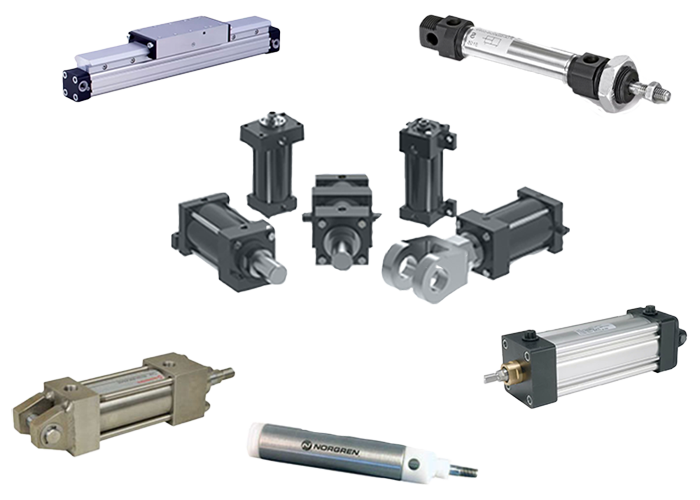
pneumatic component

Key Advantages of Stable Operations

  • Consistent equipment performance
  • Reduced operational interruptions
  • Improved production efficiency
  • Enhanced process accuracy
  • Better resource utilization
  • Increased workplace productivity
  • Stronger long-term operational reliability

With dependable solutions in place, teams can focus on achieving production goals with confidence.

Features That Support Reliable Performance

Modern pneumatic components are designed to deliver dependable operation under demanding conditions. Their advanced engineering supports long-lasting functionality and efficient performance.

Important Performance Features

  • Smooth and controlled movement
  • Reliable pressure management
  • Durable construction materials
  • Fast and responsive operation
  • Efficient energy utilization
  • Consistent airflow regulation
  • Minimal maintenance requirements

These features contribute to improved workflow stability and help maintain continuous productivity throughout daily operations.

Benefits of High-Quality Pneumatic Components

Reliable pneumatic systems provide numerous operational benefits that support efficiency and performance improvement.

Operational Benefits

  • Better equipment responsiveness
  • Increased production consistency
  • Enhanced process control
  • Reduced downtime risks
  • Improved operational flexibility
  • Greater system dependability
  • Long-term performance stability

Organizations that prioritize dependable components often experience smoother workflows and stronger overall operational results.

Supporting Continuous Improvement

Workflow stability is closely connected to continuous improvement efforts. Reliable pneumatic components help create an environment where processes can operate efficiently and consistently.

Areas of Positive Impact

  • Streamlined production activities
  • Improved coordination between systems
  • Faster operational execution
  • Enhanced output quality
  • Greater reliability across processes
  • Consistent daily performance standards
  • Strong support for growth initiatives

During system planning and component evaluation, many professionals review resources such as https://www.hebaiele.com/es/ to gain additional information about pneumatic technologies and component applications.

Building a Strong Operational Future

Dependable pneumatic component solutions continue to strengthen workflow stability by supporting reliable performance, efficient operations, and consistent production outcomes. Their ability to provide smooth functionality and dependable control makes them valuable assets in modern industrial environments.

Long-Term Advantages

  • Sustainable operational efficiency
  • Reliable daily performance
  • Enhanced production confidence
  • Improved equipment longevity
  • Strong workflow consistency
  • Greater operational effectiveness
  • Positive productivity growth

By investing in dependable pneumatic component solutions, organizations can maintain stable workflows, achieve consistent results, and support ongoing success through reliable daily performance.