Thinking about foundation repairs can be overwhelming—especially when you’re faced with the big decision between modern methods and tried-and-true traditional fixes. Let’s walk through how to make the smartest choice for your property, with less stress and more clarity.
Where Should You Start?
First things first: don’t just jump in! Here’s how to kick off your decision-making:
– Map out your constraints: What’s your budget? How soon do you need it fixed? Are there access issues?
– Look at the structure and soil: Is this a newer building or an old one? What’s the soil like around your foundation?
– Check out the symptoms: Are the issues mild and localized, or does it look like a bigger, systemic problem?
If you’re uncertain, it’s wise to research foundation repair costs and methods before committing to any solution.
Modern Foundation Repairs: Fast, Data-Driven, and Less Messy
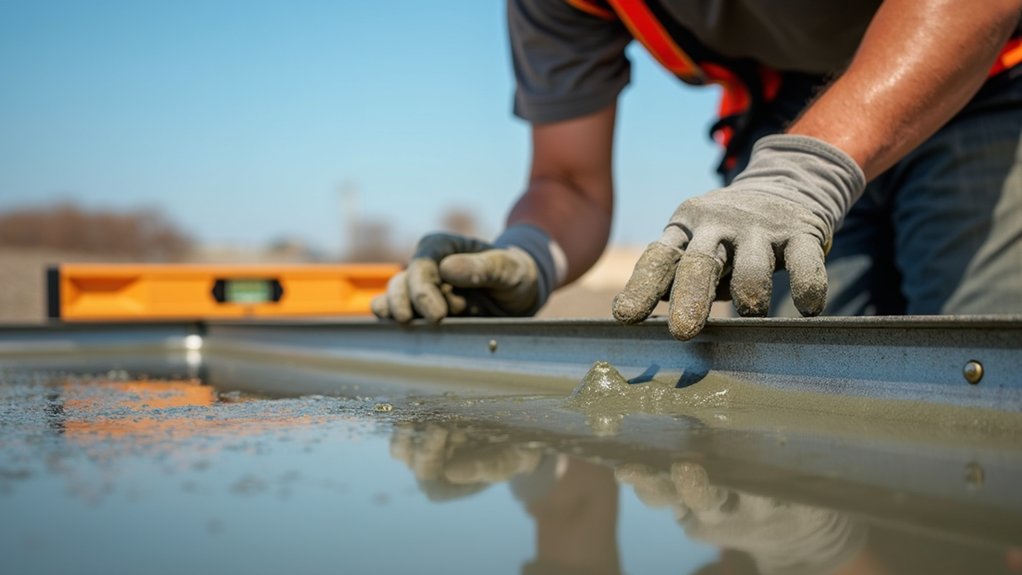
Modern fixes are like bringing your foundation into the 21st century. They use high-tech materials and tools, and often come with lots of documentation and monitoring.
When do modern solutions shine?
– You need a quick turnaround.
– Space is tight or access is limited.
– The problem has been clearly diagnosed (thanks to advanced inspection gear).
Benefits:
– Faster repairs (great if you need minimal disruption).
– Detailed records and ongoing monitoring.
– Often longer warranties.
But…
– May cost more up front.
– Sometimes require specialized equipment and skills.
– Can still run into issues if your soil is unpredictable.
Traditional Foundation Fixes: Reliable, Simple, and Cost-Effective
Sometimes, old-school is still the best school. Traditional methods work well when the problem is straightforward and easy to get to.
When should you go traditional?
– The damage is small and easy to access.
– You want a quick, straightforward solution.
– The building’s loads haven’t changed much since it was built.
Pros:
– Lower initial costs for simple jobs.
– Time-tested techniques.
– Less need for fancy equipment.
Cons:
– Might not last as long, especially with tricky soils or water issues.
– Less monitoring after the fix.
– Warranties can be basic.
What Should Guide Your Decision? (The Big Four)
Here’s what really matters:
- Total Cost: Don’t just think about the sticker price. Consider:
– Installation
– Monitoring/maintenance
– Chances you’ll need repairs again soon
- Disruption: How much will the repairs interrupt your life or business? Think:
– Noise and mess
– How long will access be blocked?
- Longevity: Will the fix last? Take into account:
– Soil conditions
– The age and type of building
– Quality of the repair
- Past Learnings: What’s worked (or failed) before? Look for:
– Maintenance records
– Local contractor expertise
– Adaptability to your specific situation
Side-by-Side: Methods, Cost, and Longevity
Let’s make it even easier with a quick comparison:
| Method | Cost | Longevity | Installation Time |
|———————-|————–|——————-|———————|
| Pier & Beam | Moderate | Good (if maintained) | Moderate |
| Slab Underpinning | Higher | Excellent | Longer |
| Helical Piers | Moderate | Excellent | Fast |
| Carbon Fiber Straps | Lower | Limited (localized) | Fast |
Tip: Modern methods like helical piers or epoxy injections tend to be faster and less disruptive, but you’ll pay more up front. Traditional fixes work well for simple problems and straightforward sites.
Real-World Example: How to Decide Step-by-Step
Here’s a simple plan you can follow:
- Diagnose the issue: Use modern inspection tools if possible.
- Assess risk: How serious is the problem? What’s at stake if it gets worse?
- Compare solutions: Weigh modern vs. traditional for your specific site.
- Count the cost: Look at both up-front and long-term expenses.
- Check the contractor: Make sure they’re experienced and clear about what’s included.
- Consider your lifestyle: Can you handle a longer repair? Do you need a quick fix?
- Make your pick: Choose the option that offers the best balance for your needs and budget.
Bottom Line:
There’s no one-size-fits-all answer. Modern repairs are great for tricky, well-diagnosed problems and when you want less disruption and lots of data. Traditional fixes work when the problems are simple, the budget’s tight, and you want a proven solution. Map out your priorities, ask lots of questions, and you’ll land on the right fix for your foundation.
Still unsure? Reach out to a reputable contractor for a site evaluation—they can walk you through the pros and cons for your specific case.
Be the first to reply